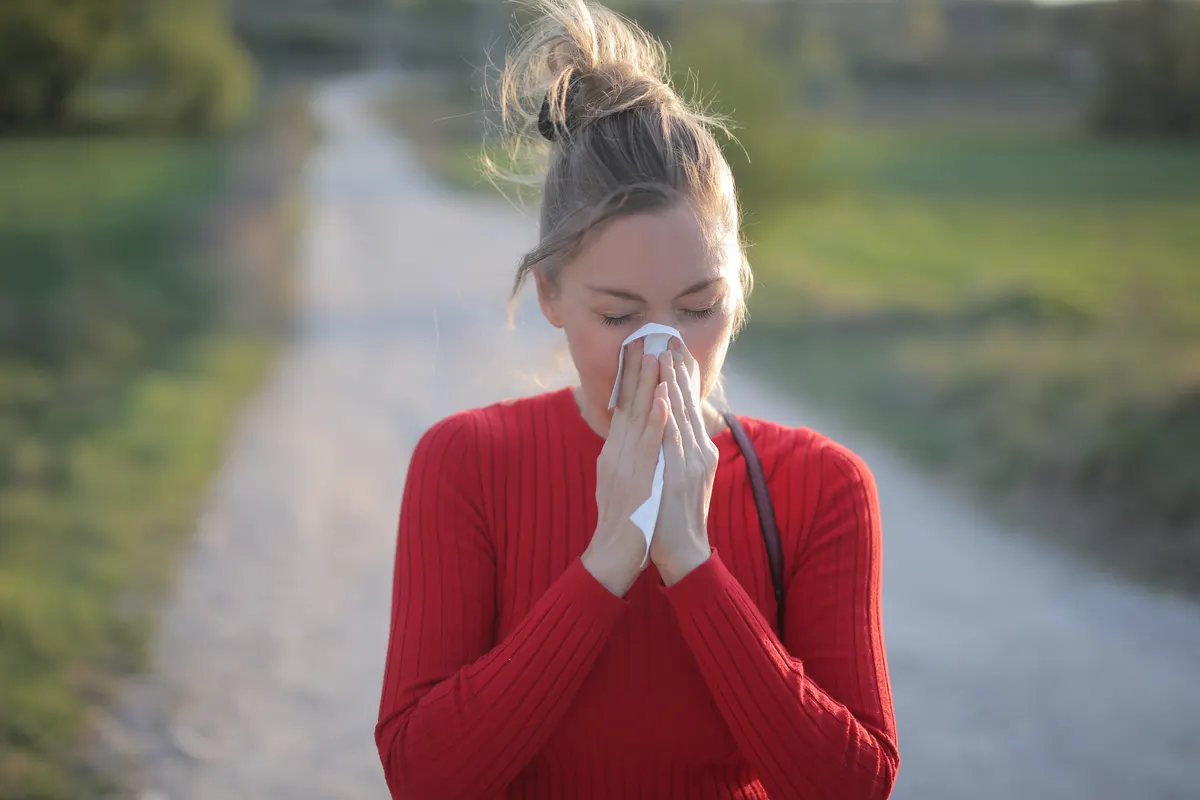
Seasonal allergies happen when the immune system reacts to pollen from trees, grass or weeds. They are very common, usually mild, and often easier to manage once you know your season.
This content is for general information and is not medical advice. If you are worried about a symptom, talk to a doctor.
Causes
Pollen is the usual trigger: trees in spring, grasses in early summer and weeds in late summer and fall. Mould spores can add to it in damp weather.
Allergies often run in families, and they can start at any age.
Symptoms
- Sneezing and a runny or blocked nose
- Itchy, watery eyes
- An itchy throat or ears
- Feeling tired during the season
A fever or body aches point more to a cold or flu than to allergies.
Diagnosis
A doctor usually starts with your symptoms and when they happen. If it is unclear, a skin or blood test can show which allergens you react to.
Treatment
Many people do well with over-the-counter options. A pharmacist or doctor can help you choose, especially if you take other medicines, are pregnant, or are treating a child.
If symptoms affect sleep, school or work, an ear, nose and throat doctor or an allergist can suggest longer-term options.
Prevention
- Check the local pollen count and keep windows closed on high days
- Shower and change clothes after time outdoors
- Wash bedding weekly in warm water
- Start treatment a little before your usual season, if your doctor agrees